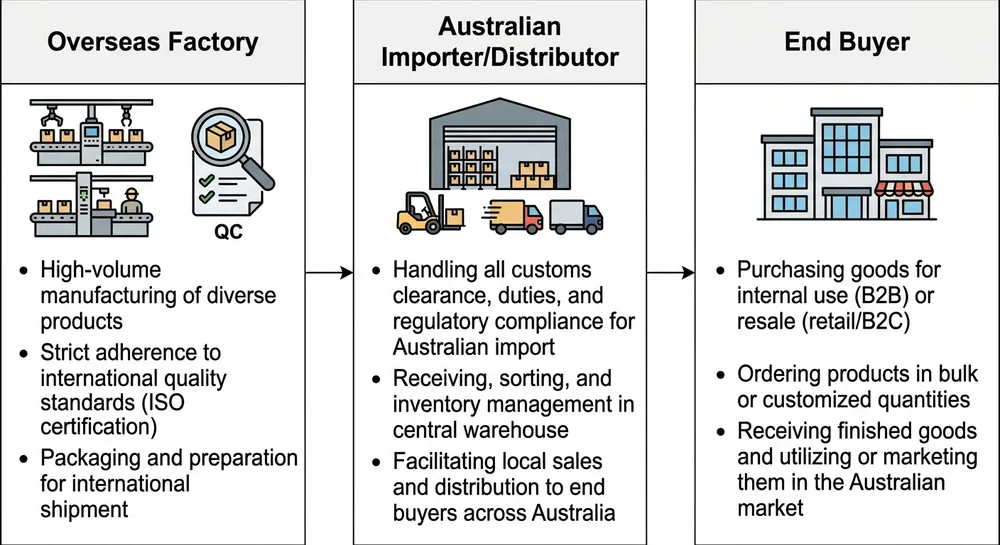
Australia's nitrile glove market runs on a well-established import chain. Almost no nitrile gloves are manufactured domestically — the raw material economics don't support it. What you're actually choosing between when you screen "suppliers" is a tier in that import chain: a local distributor holding stock in a Sydney or Melbourne warehouse, a national safety wholesaler with a managed catalog, or a factory overseas shipping direct to your door.
Each tier has a real role. The question is which one fits your volume, your margin targets, and your compliance requirements — and whether the convenience premium you're paying to a local intermediary is still earning its keep at your current order scale.
This guide maps the local supplier landscape honestly, explains the evaluation criteria that matter for repeat procurement, and introduces the factory-direct alternative for distributors whose volumes have outgrown the local-stock model.

How Serious Buyers Evaluate Nitrile Glove Suppliers
Before walking through the supplier landscape, it's worth being explicit about what the evaluation criteria actually are — because the way most buyers screen suppliers misses the variables that cause problems downstream.
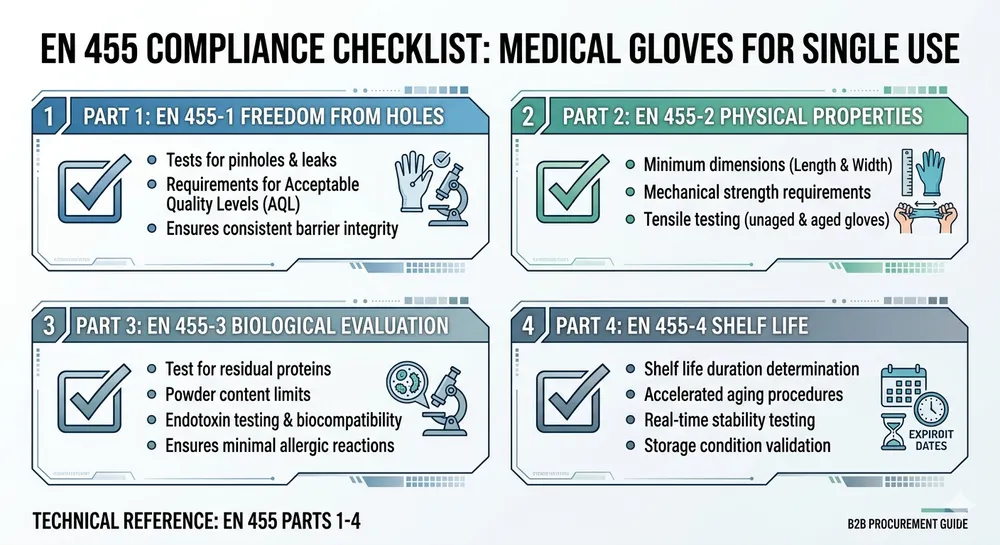
Certification coverage and documentation readiness is the first filter. For medical-grade nitrile gloves entering Australian healthcare or aged care channels, you need EN 455 or ASTM D6319 compliance, and ideally TGA registration for examination gloves. The certification needs to be current, traceable to the specific SKU you're ordering, and available as a document you can hand to your customer's procurement team. A supplier who can show you a certificate but can't produce the batch test report behind it is a compliance risk, not a compliance solution.
AQL standard and inspection protocol is the second filter, and it's where most buyers get burned. AQL 1.5 is the standard for medical-grade nitrile — it means no more than 1.5 defective units per 100 in a statistically valid sample. AQL 2.5 or 4.0 is common in lower-grade industrial supply and will generate downstream complaints in any application where glove integrity matters. Ask specifically: what AQL level does the supplier inspect to, and is it 100% online inspection or batch sampling? Those are different things. (We run 100% online pinhole detection on every glove before it reaches the packing station — batch sampling alone misses the tail of the defect distribution.)
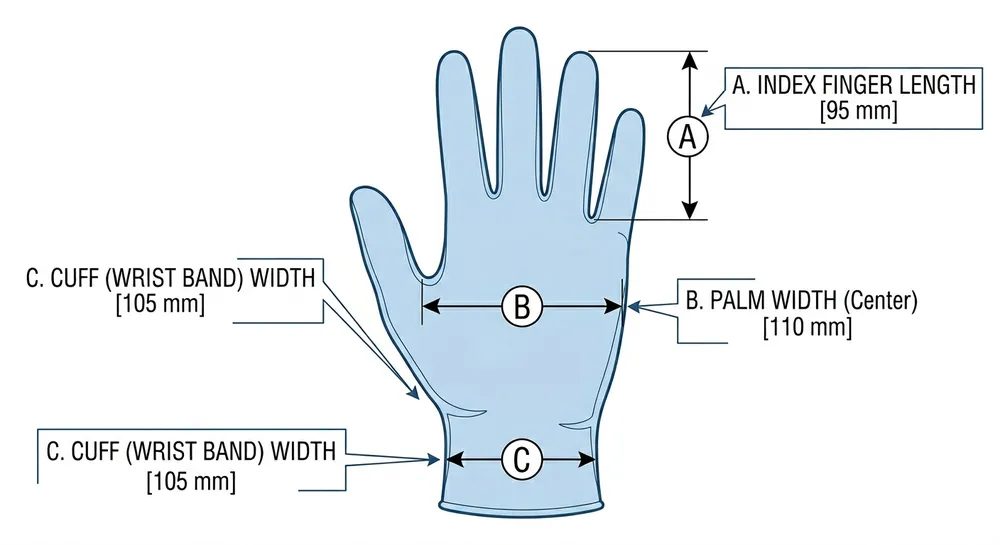
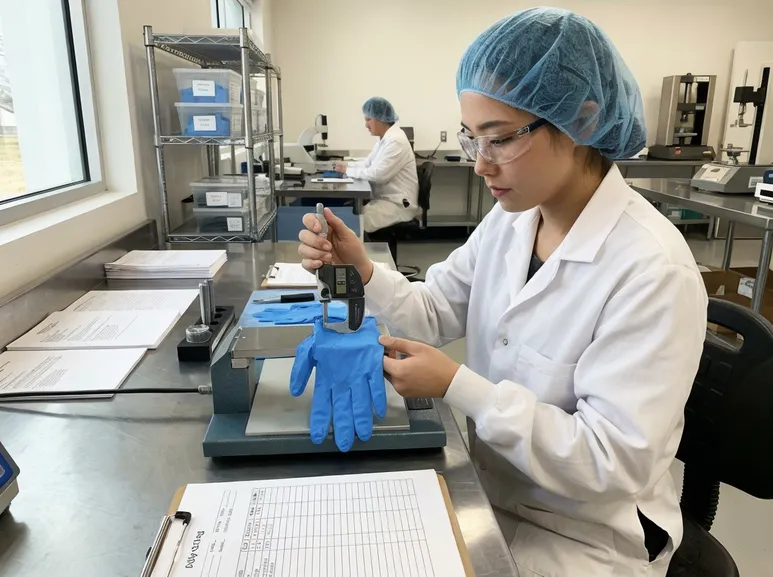
Thickness specification and consistency is the third filter. A glove spec sheet that says "0.10mm" is nearly meaningless without a tolerance range. The real question is: what's the palm-to-fingertip thickness variation within a single glove, and what's the batch-to-batch variation across a full year's supply? A glove that measures 0.10mm at the palm and 0.07mm at the fingertip will fail AQL at the destination and generate warranty claims from your customers. Consistent thickness across the glove requires in-house compound control — suppliers who buy pre-mixed nitrile compound from a third party have less control over this than factories running their own compounding lab.
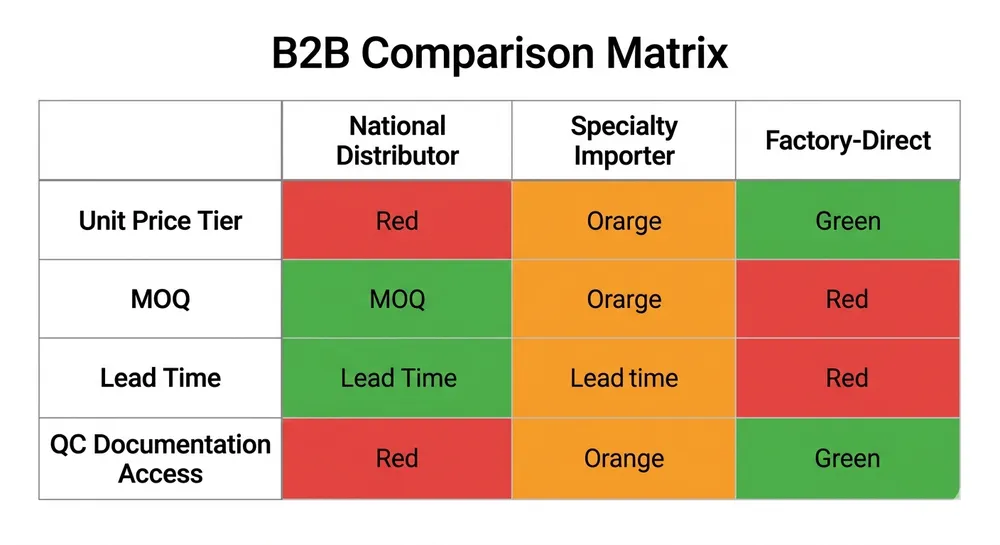
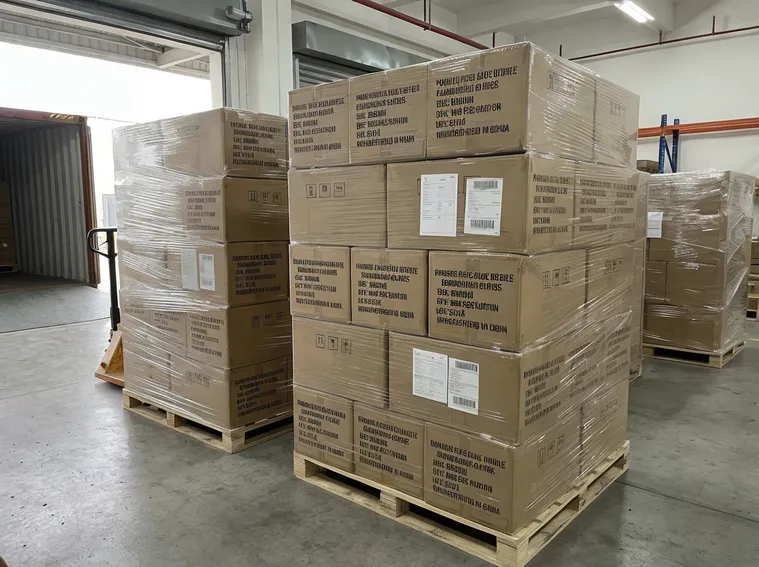
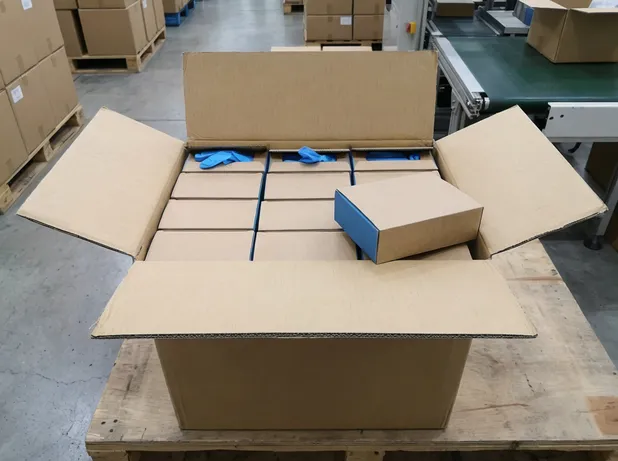
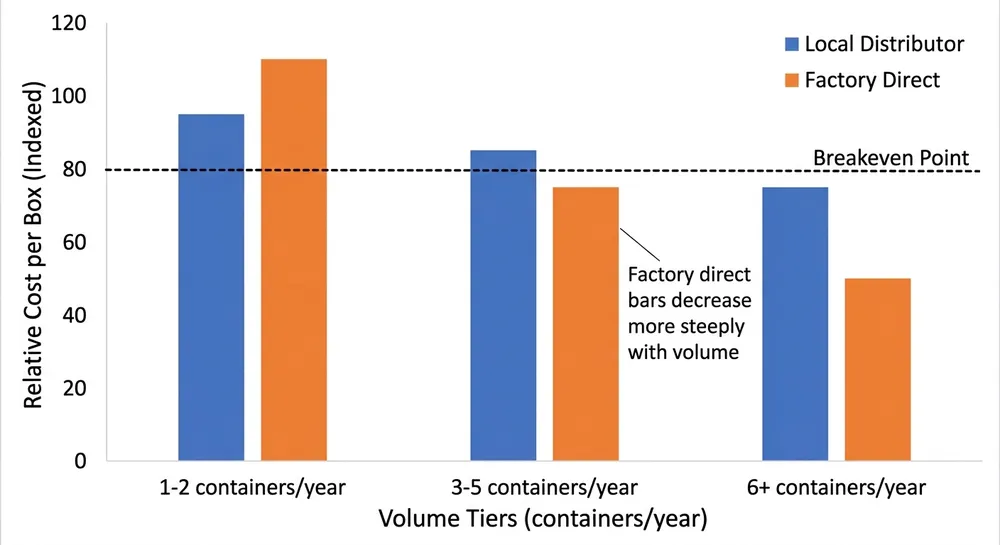
MOQ flexibility and container economics matter differently depending on where you are in your growth curve. A local distributor's value proposition is partly that they'll sell you a pallet. A factory's value proposition is that a full container — typically around 2,000 boxes of 100-count gloves — lands at a unit cost that a local distributor simply cannot match. The crossover point where factory-direct becomes financially smarter varies by product grade and freight cycle, but for most repeat-volume distributors it sits somewhere between 3 and 5 containers per year.
Lead time reliability vs. lead time length is a distinction worth making explicitly. Local stock means short lead time. Factory-direct means longer lead time — typically 25–35 days from order confirmation to Australian port. But lead time reliability (does the shipment arrive when promised, with the right spec, at the right AQL?) is often better from a well-run factory than from a local distributor managing a fragmented import catalog. If you're planning your inventory cycle properly, a predictable 30-day lead time beats an unpredictable 5-day lead time that occasionally turns into a 3-week backorder.
The Australian Supplier Landscape: Who's Actually in This Market
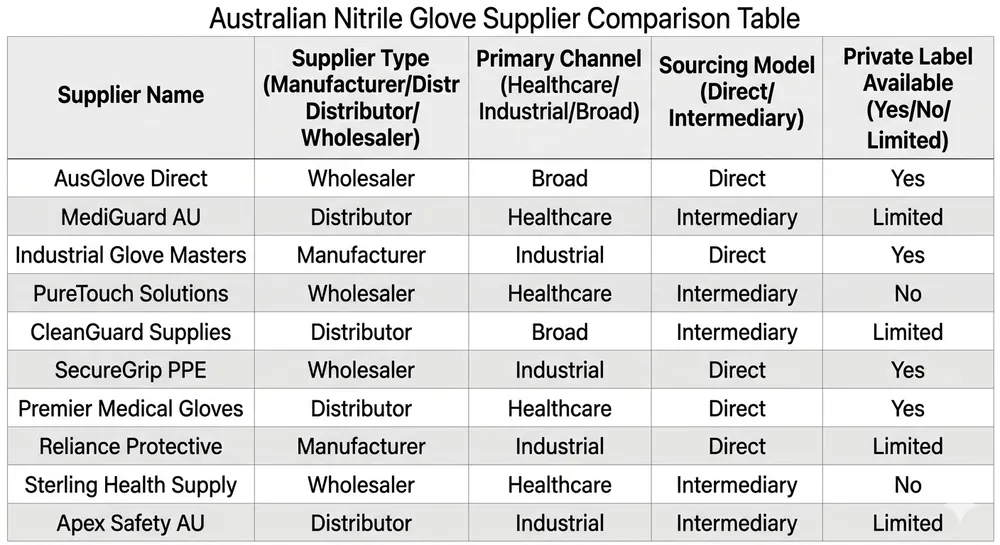
The local market for disposable nitrile gloves in Australia is dominated by a small number of large distributors and one globally significant manufacturer. Here's an honest read of the landscape.
Ansell Limited (ansell.com) is the only company in this list that both manufactures and distributes at scale. Headquartered in Melbourne, Ansell is a global PPE manufacturer with nitrile glove lines across medical, industrial, and chemical-resistant grades — the TouchNTuff and HyFlex ranges are well-known in Australian industrial procurement. For distributors, Ansell operates through a managed channel program; you're buying branded product at a price that reflects the brand premium. That premium is defensible in segments where the Ansell name carries value with end customers, but it compresses your margin in commodity-grade applications.
Blackwoods (blackwoods.com.au) is Wesfarmers-owned and one of the largest industrial and safety supply distributors in Australia. Their nitrile glove range spans multiple brands and grades, with national distribution infrastructure and account management for large industrial customers. For a distributor looking to consolidate safety supply purchasing, Blackwoods is a logical partner — but you're buying from a distributor's catalog, not from a manufacturer, and the pricing reflects that.
Bunzl Australia (bunzl.com.au) operates across healthcare, food processing, and industrial safety channels. Bunzl's model is distribution at scale — they aggregate supply from multiple manufacturers and provide managed inventory programs to large institutional buyers. Their nitrile glove offering is broad, and their logistics infrastructure is strong. The trade-off is that you're one account in a very large book, and customization or private-label options are limited.
Livingstone International (livingstoneinternational.com) is a significant player in the Australian healthcare consumables space, supplying hospitals, clinics, aged care facilities, and medical distributors. Their nitrile examination glove range is well-established in the healthcare channel. For distributors targeting medical or aged care end markets, Livingstone is a credible local source — but again, you're buying imported product through an intermediary, and the margin structure reflects that.
Medline Australia (medline.com/en-au) brings a large US healthcare supply company's catalog to the Australian market. Their nitrile glove range is oriented toward healthcare and aged care procurement. Medline's strength is in managed supply programs for large institutional buyers; for independent distributors, the account minimums and program structure may not be the right fit.
Paramount Safety Products (paramountsafety.com.au) is an Australian-owned safety distributor with a strong presence in construction, mining, and industrial sectors. Their Force360 brand includes nitrile glove SKUs positioned for industrial use. For distributors serving trades and construction, Paramount's local brand recognition and account support are genuine advantages.
Safetyquip (safetyquip.com.au) operates a franchise-based safety supply model across Australia, serving small-to-medium industrial and construction businesses. Their nitrile glove range covers standard industrial grades. The franchise model means service quality varies by location, but for regional distributors, Safetyquip's local presence can be useful for emergency replenishment.
Globus Group Australia (globusgroup.com.au) is the Australian arm of the UK-based Globus Group, a PPE specialist with a dedicated nitrile glove range for healthcare and industrial markets. Their product range includes examination and industrial grades, and they have a more focused PPE identity than the broad-catalog distributors.
Protector Safety (protectorsafety.com.au) — now operating within the Bunzl group — has a long history in Australian industrial safety supply. Their nitrile glove catalog covers standard industrial and food-contact grades, with distribution reach into manufacturing, food processing, and logistics sectors.
Kimberly-Clark Professional Australia (kcprofessional.com/en-au) distributes nitrile gloves under the KleenGuard brand through Australian safety and industrial supply channels. KleenGuard nitrile is well-positioned in light industrial and food-contact applications, and the brand carries recognition in facilities management and food manufacturing procurement.
What Local Distribution Actually Costs You
Every one of the distributors above is adding a margin layer between you and the factory. That's not a criticism — it's the business model, and it delivers real value in specific situations. The question is whether that value is worth the cost at your current procurement scale.
Local stock means you can place an order Monday and have gloves in your warehouse by Wednesday. For urgent orders, emergency replenishment, or customers who call with a last-minute requirement, that speed has genuine commercial value. If you're running a safety supply business that serves construction sites with unpredictable demand, local stock availability is a real competitive advantage — and paying a distributor margin for it is a rational trade.
The cost of that convenience shows up in three places. First, unit cost: a local distributor's landed cost includes their import margin, warehousing, and account management overhead. For standard powder-free nitrile examination gloves, the difference between a distributor's sell price and a factory's FOB price — once you account for freight and duty — typically runs 15–30% depending on grade and volume. At 10 containers a year, that's a meaningful number. Second, specification flexibility: local distributors carry what they carry. If your customer needs a specific thickness, a specific color, or a private-label box, the local distributor's answer is usually "no" or "minimum order of X pallets." Third, supply chain visibility: when a distributor runs short, you find out when your order doesn't arrive — not when the factory's production schedule changes three weeks earlier.
None of this means local distribution is wrong. It means the economics of local distribution are most favorable when your orders are small, urgent, or infrequent. As volume grows and procurement becomes more predictable, the convenience premium starts to look like a margin leak.
Factory-Direct Import: When the Economics Shift
The factory-direct model works differently. You're not buying from stock — you're placing a production order, waiting for manufacturing and shipping, and receiving a container at your door. The lead time is longer. The planning discipline required is higher. But the economics at repeat volume are substantially better, and the quality-control access is fundamentally different.
We've been shipping disposable nitrile gloves to Australian distributors since the early years of our operation. The buyers who make the transition from local distribution to factory-direct typically do it when one of three things happens: their volume crosses the point where a full container makes sense on a regular cycle, they have a quality incident with a local supplier that traces back to the factory, or they start losing bids because their landed cost is too high to compete.
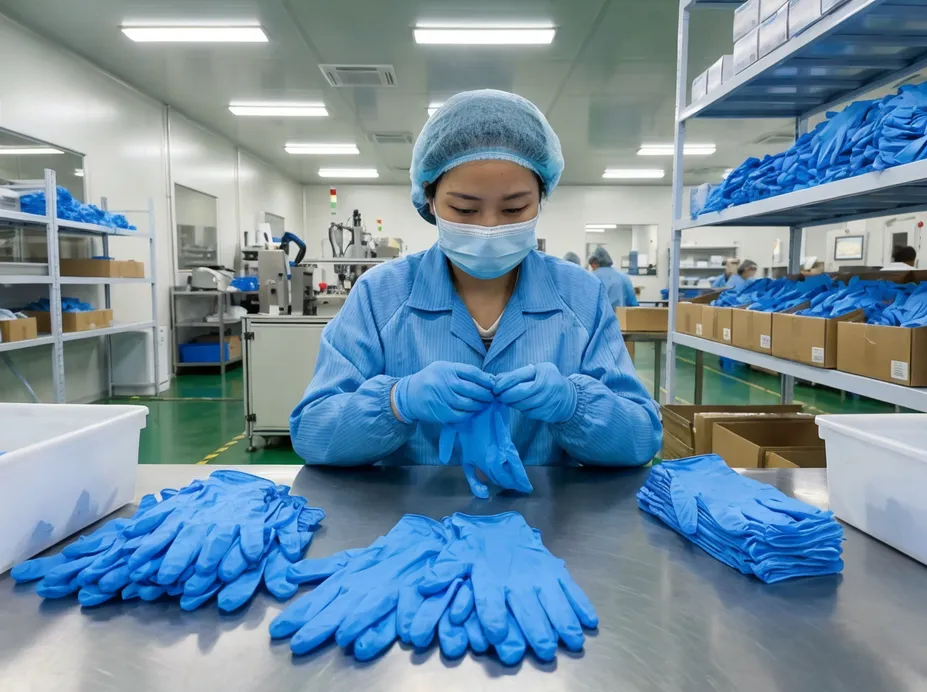
Our facility in Qingdao runs 8 fully automated dipping lines across 18,000 square meters, with annual output of 1.2 billion pieces. That capacity means your order — even at 5 or 10 containers — doesn't compete with anyone else's for line time. We run our own compounding lab, which is where thickness consistency actually gets controlled. The nitrile formulation determines the palm-to-fingertip thickness profile; if you're buying from a factory that sources pre-mixed compound, they're accepting whatever variation comes with it. We formulate in-house, which is why we can hold 0.08–0.15mm tolerance across a full production run and back it with batch test reports.
For Australian import specifically, the certifications that matter are EN 455 (for medical examination gloves), ASTM D6319 (for US-aligned buyers or export-to-US supply chains), and TGA registration for examination gloves entering healthcare channels. We hold ISO 9001:2015, CE, EN 455, ASTM D6319, and FDA 510(k). The documentation package — batch test reports, AQL inspection records, certificate of conformity — ships with every container. (I've seen containers held at Australian ports because the documentation didn't match the SKU on the packing list. It's a preventable problem, but it requires the factory to treat documentation as part of the product, not an afterthought.)
MOQ for standard SKUs is one container, approximately 2,000 boxes. OEM and private-label runs are supported from the same facility — custom box printing, custom glove color, and accelerator-free formulations for buyers targeting sensitive-skin or allergy-aware market segments.
Matching Sourcing Model to Order Profile
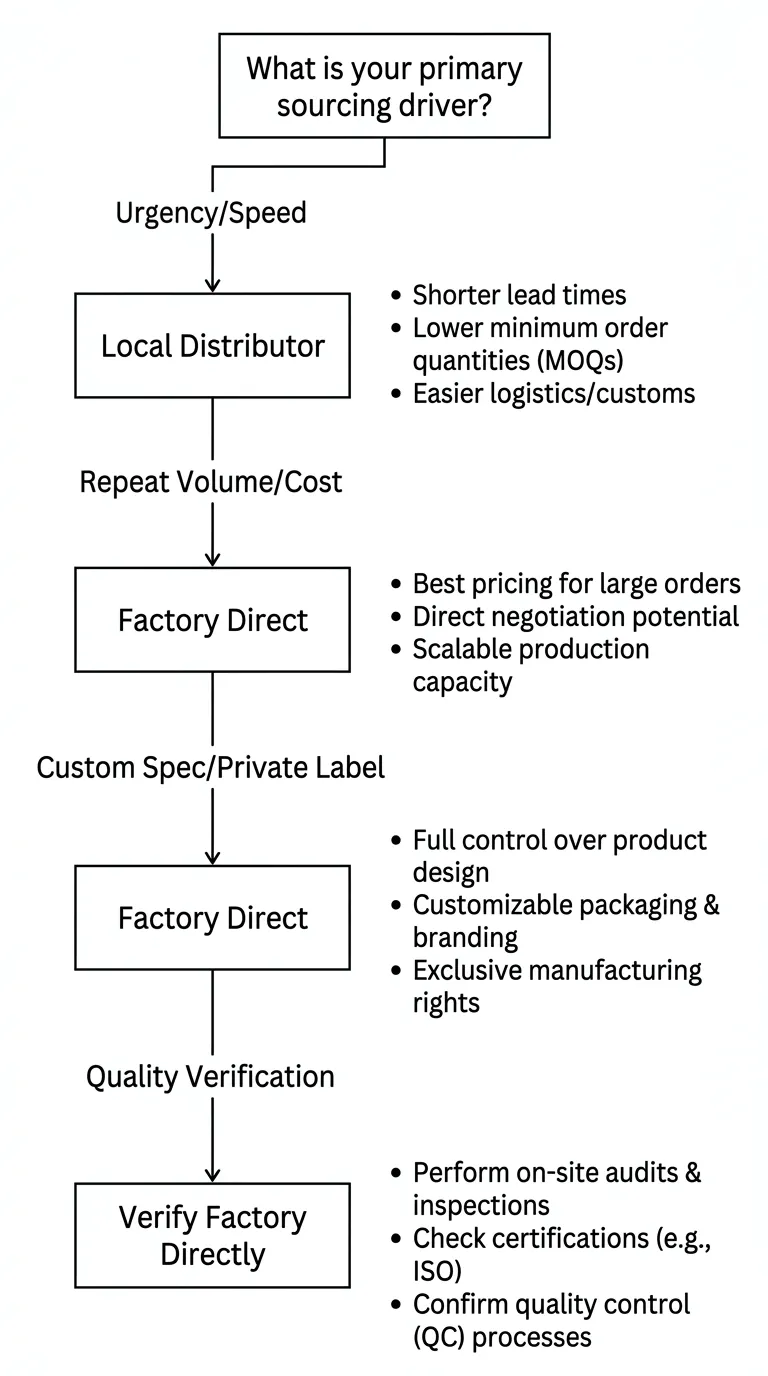
The right sourcing model depends on your order profile, not on a general preference for local or overseas supply. Here's how to think through it:
Urgent or unpredictable demand — local distribution wins. If your customers call with 48-hour requirements, or if your demand is genuinely lumpy and hard to forecast, local stock availability is worth the premium. Build a relationship with one of the distributors above for emergency cover, and don't try to run your entire supply chain on factory-direct lead times if your business can't support the planning discipline.
Repeat volume on a predictable cycle — factory-direct improves economics. If you're ordering the same SKUs in similar quantities every 6–8 weeks, you can plan around a 30-day factory lead time. At that point, the local distributor's convenience premium is no longer buying you anything you need — it's just compressing your margin.
Private label or custom specification — factory-direct is the only real option. Local distributors don't do custom box printing or formulation adjustments. If you're building a house brand or supplying a customer who needs a specific thickness or color, you need a factory relationship.
Quality-critical applications — verify the factory, not just the distributor. If your end customers are in healthcare, aged care, or food processing, the certification and AQL standard matter more than the supply tier. A local distributor can hand you a certificate, but they can't change what the factory actually inspects to. Know which factory your gloves come from, and verify the QC protocol directly.
Cost-sensitive bidding — landed cost math determines competitiveness. If you're tendering for supply contracts where unit price is a primary evaluation criterion, your ability to compete depends on your landed cost. A distributor margin built into your cost base is a structural disadvantage in competitive bidding. Factory-direct pricing gives you the cost floor to bid competitively and still protect your margin.
Supplier Evaluation Checklist Before You Commit
Whether you're qualifying a local distributor or a factory, the same documentation standards apply. Use this checklist before placing a first order:
- Certification currency: Is the EN 455 or ASTM D6319 certificate current, and does it cover the specific SKU you're ordering — not just the supplier's general product range?
- Batch test reports: Can the supplier provide AQL inspection records and physical test reports (tensile strength, elongation, pinhole rate) for a recent production batch?
- AQL standard: Is the supplier inspecting to AQL 1.5 for medical-grade product? If they can't answer this question specifically, that's your answer.
- Thickness tolerance documentation: Does the spec sheet include a tolerance range, not just a nominal value? Ask for palm and fingertip measurements from a recent batch.
- TGA registration: For examination gloves entering Australian healthcare channels, is the product TGA-registered? This is a regulatory requirement, not a nice-to-have.
- Factory audit access: For factory-direct sourcing, can you request a third-party audit report (SGS, Bureau Veritas, Intertek) or conduct your own pre-shipment inspection?
- Packing list and documentation alignment: Does the documentation package — certificate of conformity, packing list, commercial invoice — match the SKU, lot number, and quantity on the container? Mismatches cause port delays.
The distributors in the landscape section above vary in how readily they can provide factory-level documentation. Some have strong supplier relationships and can pull batch reports on request. Others are several steps removed from the factory and can only provide the certificate. Know which situation you're in before a compliance question arrives from your customer.
Frequently Asked Questions
What certifications do nitrile gloves need for Australian healthcare supply?
For examination gloves entering Australian healthcare, aged care, or clinical settings, TGA registration is the primary regulatory requirement. EN 455 (the European medical glove standard) and ASTM D6319 (the US standard) are both widely accepted as the underlying technical standards, but TGA registration is what makes the product legally compliant for medical use in Australia. Industrial-grade nitrile gloves for non-medical applications don't require TGA registration, but EN 374 (chemical resistance) or AS/NZS 2161 compliance may be relevant depending on the application.
What is the minimum order for factory-direct nitrile gloves shipped to Australia?
For standard powder-free nitrile examination or industrial gloves, one full container — approximately 2,000 boxes of 100-count gloves — is a workable MOQ for factory-direct import. That's roughly 200,000 gloves per container. At that volume, the freight economics make sense and the per-unit cost advantage over local distribution is meaningful. Below that volume, local distributor stock is usually the more practical option unless you're consolidating a container with other SKUs.
How do I verify that a nitrile glove supplier's AQL claims are accurate?
Ask for the inspection protocol in writing: what AQL level, what sample size, and whether it's 100% online inspection or batch sampling. Then request the AQL inspection records from a recent production batch — not just the certificate, but the actual inspection data. A factory running genuine AQL 1.5 inspection will have batch records with defect counts and accept/reject decisions. If the supplier can only provide a certificate without underlying inspection data, treat the AQL claim as unverified. For high-stakes procurement, a pre-shipment inspection by a third-party agency (SGS, Bureau Veritas) is the most reliable verification method.
What's the realistic lead time for factory-direct nitrile gloves to Australia?
Production lead time for a standard SKU order is typically 15–20 days from order confirmation. Sea freight from Qingdao to major Australian ports (Sydney, Melbourne, Brisbane) runs 18–25 days depending on routing and vessel schedule. Total door-to-port lead time is typically 35–45 days. Factor in customs clearance and inland freight for a realistic warehouse-arrival estimate. For buyers transitioning from local stock to factory-direct, the planning adjustment is the main operational change — the economics justify it at repeat volume.
Can factory-direct suppliers support private-label packaging for Australian distributors?
Yes — OEM and private-label runs are standard for established factories. Custom box printing (your brand, your SKU codes, your compliance text), custom glove color, and formulation adjustments (accelerator-free, specific thickness range) are all available from a factory with in-house compounding capability. MOQ for custom runs is typically higher than for standard SKUs — confirm the specific threshold with your factory contact before committing to a private-label program.
—
If your current procurement is running on local distributor stock and you're starting to feel the margin pressure, the next step is straightforward: run the landed cost comparison on your top-volume SKU. Take your current per-box cost from your distributor, then request a factory FOB price and add freight, duty (currently 5% for nitrile gloves under HS 4015.19), and your local handling costs. The gap tells you whether the transition makes financial sense at your current volume.
For distributors ready to explore factory-direct sourcing for disposable nitrile gloves, we're set up to provide a full documentation package — certifications, batch test reports, AQL records — alongside the commercial quote. Send your grade, size mix, and target annual volume to Request Quote and we'll come back with a landed cost comparison you can actually use.
“`